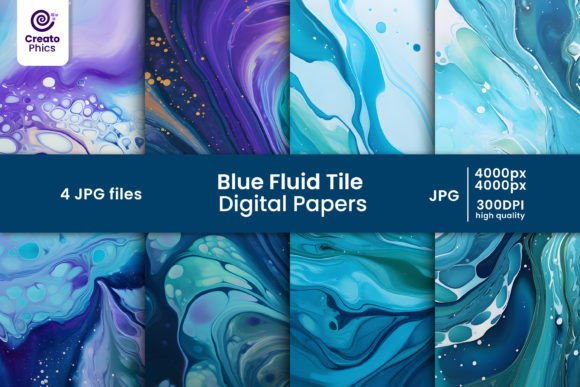
Blue Fluid Tile Digital Papers Patterns
In the landscape of digital design, where consistency and visual impact are paramount, finding assets that bridge the gap between organic fluidity and structured geometry is a common challenge. Blue Fluid Tile Digital Papers Patterns offer a unique solution to this problem by combining the elegance of flowing water with the reliability of tile textures. These high-resolution digital papers are not merely decorative backgrounds; they are functional components designed to streamline creative workflows for professionals, hobbyists, and small business owners alike.
The collection features stunning tile designs inspired by the fluidity and elegance of moving water, captured in various sophisticated shades of blue. Whether you are preparing a corporate presentation, designing a wedding invitation suite, or creating content for a lifestyle blog, these patterns provide a refreshing aesthetic that elevates the perceived quality of your work without overwhelming the primary message.
Understanding the Asset in Your Workflow
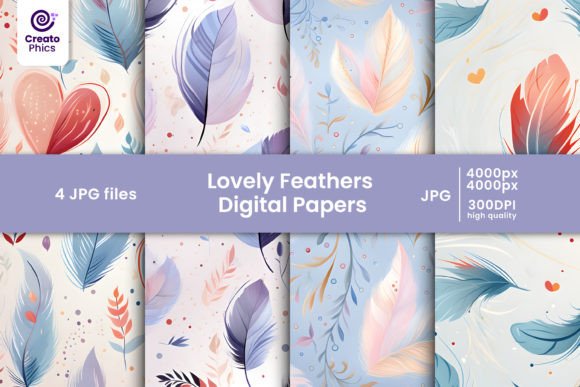
To integrate Blue Fluid Tile Digital Papers Patterns effectively, one must first understand their technical specifications and how they interact with standard design software. The set includes four distinct JPG images, each rendered at a high resolution of 4000px by 4000px with a density of 300dpi. This level of detail is critical for anyone producing physical outputs or high-fidelity digital displays.
The 300dpi standard ensures that when these files are used in print production—such as for scrapbooking pages, greeting cards, or home decor items like wall art and cushions—the result remains crisp and free from pixelation. For digital-only applications, such as website headers, social media graphics, or e-book covers, the 4000px width provides ample room for cropping and scaling while maintaining sharpness on retina displays.
Unlike vector-based tiles that can sometimes feel rigid or artificial, the fluid nature of these blue patterns introduces a sense of movement and depth. This characteristic makes them ideal for projects requiring a balance between structure and softness. They serve as an excellent foundation layer, allowing designers to focus on typography and imagery placement without worrying about background distractions.
Integration Across Creative Disciplines
The versatility of these digital papers allows them to fit seamlessly into diverse professional and personal workflows. For scrapbookers and card makers, these patterns act as immediate backdrops that save hours of manual texture creation. Instead of searching for disparate elements to create a cohesive theme, a single download of Blue Fluid Tile Digital Papers Patterns provides a complete palette that aligns with themes of tranquility, professionalism, or aquatic aesthetics.
For entrepreneurs and marketers, the application extends to branding materials. A consistent use of these blue fluid tiles across business cards, letterheads, and email signatures can establish a strong visual identity. The color blue is psychologically associated with trust, calm, and stability, making it a strategic choice for financial institutions, healthcare providers, and tech startups looking to convey reliability.
Home decor enthusiasts can utilize these files to create custom wall art, fabric prints, or interior design mood boards. By printing the 4000px images on canvas or transferring them to fabric, users can introduce a sophisticated touch to living spaces. The fluid tile design avoids the repetitive look of traditional geometric patterns, offering a more modern and artistic interpretation of tiling.
Pre-Production Planning and Organization
Before diving into the actual design phase, proper preparation is essential for efficiency. Since this product is a digital downloadable file, the workflow begins immediately after purchase with file management. It is advisable to organize the four JPG files into a dedicated project folder within your cloud storage or local drive. Naming conventions should be clear, perhaps labeling them by shade or intensity (e.g., "Deep_Blue_Fluid.jpg," "Light_Blue_Tile.jpg") to facilitate quick retrieval during the design process.
When planning a project, consider the context in which the pattern will be viewed. If the end goal is a printed invitation, ensure your design software is set to CMYK color mode to accurately represent the blues in print. Conversely, for web usage, RGB mode is preferred. Understanding this distinction early prevents color shifts that can occur when converting between color profiles later in the process.
Organizational habits also extend to version control. If you are iterating on a design using these backgrounds, save incremental versions of your work. This practice allows you to revert to earlier stages if a new direction doesn't resonate, ensuring that the time invested in setting up the layout isn't lost.
Compatibility and Technical Considerations
One of the primary advantages of using JPG format for these digital papers is universal compatibility. Almost every image editing tool, from Adobe Photoshop and Illustrator to Canva and Procreate, can open and manipulate these files without conversion issues. This eliminates the friction often encountered with proprietary formats or complex vector files that require specific software licenses.
However, users should be aware of the limitations inherent in raster images. Unlike vectors, Blue Fluid Tile Digital Papers Patterns cannot be scaled infinitely without potential loss of quality, although the 4000px starting size mitigates this risk significantly. When resizing down for thumbnails or mobile views, the high resolution ensures the image retains its integrity. Conversely, attempting to upscale the image beyond its native dimensions will result in blurriness, so always start with the largest available asset.
For those working in collaborative environments, sharing these assets is straightforward. Since they are standard JPGs, team members do not need specialized plugins or fonts to view the background layers. This ease of sharing accelerates the feedback loop, allowing clients or colleagues to review the visual direction quickly.
Implementation Strategies for Maximum Impact
Once the files are organized and the project scope is defined, the implementation phase focuses on execution. The most effective way to use these patterns is to treat them as a base layer rather than the focal point. In graphic design, the rule of thirds and negative space are crucial. Use the fluid blue tiles to frame text or highlight key imagery, ensuring that the background supports rather than competes with the foreground content.
For scrapbooking and mixed media projects, layering is key. Combine the digital paper with physical elements like ribbons, stamps, or die-cuts. The smooth, fluid texture of the background contrasts beautifully with rougher textures found in physical crafting materials, creating a dynamic tactile experience even in a digital preview.
In digital marketing, consider the psychological impact of the color blue. Deep blues can anchor a design, conveying authority, while lighter, watery blues can suggest innovation and freshness. Experiment with opacity settings to blend the tile pattern subtly behind white text boxes or semi-transparent overlays. This technique maintains the brand's visual identity while ensuring readability.
When creating home decor mockups, place the digital paper onto realistic templates of pillows, canvases, or notebooks. This visualization step helps clients or yourself see the final product in a real-world context before committing to printing. Many online mockup generators accept JPG inputs directly, making this integration seamless.
Quality Control and Consistency
Maintaining quality throughout the project lifecycle is vital. After placing the background, zoom in to check for any compression artifacts introduced during the saving process. Ensure that the blue tones remain consistent across all pages or screens of your project. Inconsistencies in color temperature can make a portfolio or brand kit look unprofessional.
If you are printing multiple copies, run a test print on standard paper first. Check that the colors translate accurately from your screen to the physical medium. Lighting conditions in your workspace can affect how you perceive the blue hues, so calibrate your monitor if possible to ensure what you see matches the final output.
Long-term use of these assets requires adherence to licensing terms. As a digital downloadable product, the license typically grants usage for personal and commercial projects but prohibits reselling the raw files. Keep track of your purchases and store the original files safely. This ensures that if a project needs revision months or years later, you have access to the highest quality source material.
Conclusion: Elevating Your Creative Output
Blue Fluid Tile Digital Papers Patterns represent more than just a collection of images; they are a strategic resource for enhancing visual communication. By providing high-resolution, versatile backgrounds that capture the essence of fluidity and elegance, they empower creators to produce polished, professional work with greater speed and confidence.
Whether you are a freelancer managing tight deadlines, a small business owner building a brand, or a hobbyist expressing creativity through crafts, integrating these patterns into your workflow adds a layer of sophistication that resonates with audiences. The combination of technical precision and artistic beauty makes them an indispensable tool in the modern creator's toolkit.
As you move forward with your next project, consider how these serene blue textures can transform your ideas into tangible reality. From the initial concept phase to the final delivery, the right visual foundation can make all the difference. With their adaptability and high quality, these digital papers are ready to support your vision, bringing a refreshing and sophisticated touch to every design endeavor.