Skeleton X Ornament Patterns: A Guide to Vintage-Style Vector Art for Print and Wear
If you are searching for a design that bridges the gap between spooky aesthetics and sophisticated vintage charm, Skeleton X Ornament Patterns offers a compelling solution. This specific collection is not merely a simple clipart image; it is a high-resolution vector asset designed for versatility. With dimensions reaching 3000 PX by 4000 PX at 300 DPI, this pattern is built to withstand the rigors of professional printing while maintaining crisp detail on fabric or paper. Whether you are a small business owner looking to launch a seasonal merchandise line or a hobbyist creating custom gifts, understanding the nuances of this file format is crucial before you begin your project.
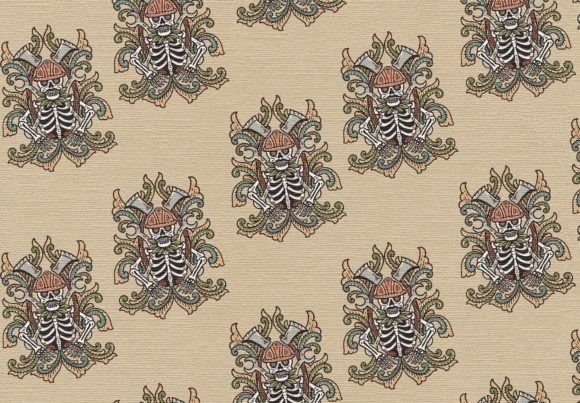
The allure of this design lies in its unique vintage style. Unlike modern, flat vector graphics, these patterns often incorporate intricate linework and textures that mimic traditional engraving or etching. This aesthetic makes them particularly suitable for wearables, where the texture adds depth to the final product. However, many creators rush into downloading such files without verifying their technical specifications, leading to frustration when the print quality does not match their expectations. Let us explore how to maximize the potential of these assets while avoiding common pitfalls.
Navigating File Formats: AI, PSD, EPS, and PDF
One of the most significant misunderstandings among buyers involves the variety of formats offered alongside Skeleton X Ornament Patterns. You will often find the package includes an Ai (Adobe Illustrator), PSD (Photoshop), EPS, and PDF version. While having options sounds like a benefit, it can be a source of confusion if you do not understand which tool is best for your specific workflow.
A frequent mistake is attempting to open an .Ai file in software that does not support native Adobe layers, such as older versions of CorelDRAW or free online viewers. This can result in missing fonts, broken links, or flattened images that cannot be edited. Similarly, relying solely on the PDF version for large-scale textile printing can be risky if the resolution is inadvertently downsampled during the export process. To ensure high-quality results:
- For Editing and Scaling: Always start with the EPS or Ai vector files. These formats allow you to resize the Skeleton X Ornament Patterns infinitely without losing quality, which is essential for t-shirts, banners, or large wall art.
- For Complex Textures: The PSD file is ideal if you need to apply specific layer effects, blending modes, or photorealistic shadows before sending the design to print.
- For Quick Previews and Standard Printing: Use the PDF for proofing, but verify the DPI settings within the document properties to ensure they remain at 300 DPI.
By selecting the correct format for your intended output, you avoid the costly error of reprinting materials due to pixelation or alignment issues.
The Critical Role of Resolution and Dimensions
The specification of 3000 PX by 4000 PX at 300 DPI is a strong selling point, yet it is frequently overlooked until the final production stage. Many beginners assume that any "high resolution" image will look good on any surface. This assumption is dangerous. A pattern that looks perfect on a smartphone screen may appear blurry or blocky when printed on a large canvas or a detailed garment.
The 300 DPI standard is the industry benchmark for sharpness in offset and digital printing. If you plan to use Skeleton X Ornament Patterns for direct-to-garment (DTG) printing or screen printing, this resolution ensures that the fine lines of the vintage skeleton motifs remain distinct. Conversely, using this file for web-only purposes without optimization might slow down your website load times unnecessarily.
To prevent wasted resources, always calculate your print size before purchasing. If you intend to print a design at 12 inches wide, ensure the total pixel width divided by the physical width equals or exceeds 300 pixels per inch. In the case of this specific pattern, the 3000 PX width allows for a maximum print width of exactly 10 inches at full 300 DPI quality. If you need larger prints, you must rely on the vector nature of the Ai/EPS files to scale up, rather than simply stretching the rasterized PSD or PDF.
Common Pitfalls in Application and Design Integration
Even with the perfect file, the execution of the design can go awry. One common oversight is ignoring the seamless nature of the pattern. When applying Skeleton X Ornament Patterns to fabric, the repeating elements must align perfectly to create a continuous flow. If the pattern is not truly seamless, you will see visible grid lines or breaks in the design across the material.
Another area where professionals stumble is color management. Vintage styles often rely on subtle gradients or specific ink colors. Converting a CMYK-optimized file to RGB for digital marketing, or vice versa, can shift the tones, making the skeletons look washed out or too dark. Before committing to a bulk order, always request a physical proof. Digital screens lie; paper and fabric reflect light differently.
Furthermore, consider the complexity of the design relative to your production method. If you are a freelancer working with a budget printer, a highly detailed 300 DPI pattern might be overkill for a simple sticker run, potentially increasing costs without adding value. Conversely, for a premium hoodie brand, this level of detail is exactly what justifies a higher price point. Matching the intricacy of the Skeleton X Ornament Patterns to your target market's expectations is key to satisfaction.
Evaluating Quality Before You Download
Before integrating this asset into your workflow, take a moment to evaluate the source and the file integrity. A responsible creator checks for hidden layers, embedded fonts, and proper clipping paths. When you download Skeleton X Ornament Patterns, inspect the file immediately upon extraction. Open the vector file and zoom in to 500% to check for stray points or unnecessary anchor nodes that could cause cutting machines to malfunction.
It is also wise to verify the licensing terms. Some vendors sell designs that restrict commercial use or limit the number of items you can produce. For entrepreneurs and small business owners, ensuring you have the right to sell products featuring this pattern is non-negotiable. Misunderstanding these terms can lead to legal disputes or forced removal of listings from marketplaces like Etsy or Amazon.
Finally, test the pattern on your actual substrate. A design that looks stunning on a white background might behave unexpectedly on black fabric or textured paper. The contrast levels in the vintage style need to be balanced so that the skeleton details pop without being overwhelming. By conducting these small tests, you save yourself from the heartbreak of ruining a batch of inventory.
Maximizing Value Through Smart Usage
When used correctly, Skeleton X Ornament Patterns serves as a powerful tool for branding and creativity. Its vintage aesthetic appeals to a broad demographic, from Halloween enthusiasts to lovers of gothic decor. The ability to print on various materials expands your product range significantly. You might create limited-edition tote bags, custom wrapping paper, or even decorative wallpaper panels.
Success comes from preparation. Do not treat the download as the end of the process; view it as the beginning of a careful production pipeline. By respecting the technical requirements of the 3000x4000 PX resolution and choosing the appropriate file format for your needs, you ensure that the final product reflects the high quality of the original design. Avoid the temptation to cut corners on file types or proofing stages. Instead, embrace the versatility of the vector files to create unique, professional-grade materials that stand out in a crowded market.
In conclusion, whether you are a seasoned designer or a beginner exploring the world of print-on-demand, paying attention to the details of Skeleton X Ornament Patterns will pay off. The combination of high resolution, versatile formats, and timeless vintage styling makes this a valuable asset, provided it is handled with care and technical awareness.